

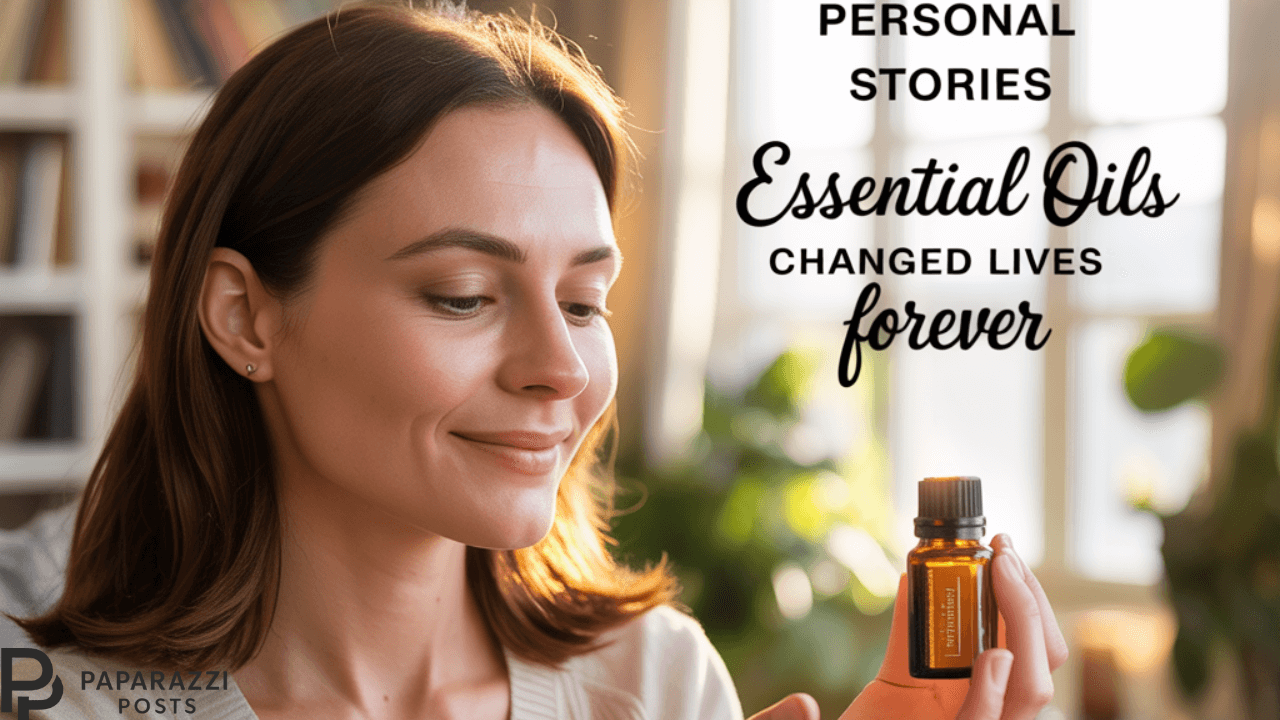

Introduction: The Power Within the Bottle
In the wellness world, few things captivate people quite like personal stories on how essential oils have changed lives. From soothing anxiety to improving sleep, these natural remedies have evolved from ancient traditions into modern essentials.
Across the United States, more individuals are turning away from synthetic solutions and embracing holistic healing through essential oils. Derived from plants, flowers, and herbs, they embody the purest form of nature’s medicine—offering comfort, rejuvenation, and even emotional stability.
What’s truly remarkable are the firsthand experiences—personal stories on how essential oils have helped people rediscover balance, confidence, and peace in their everyday lives.
The Historical Roots and Modern Rise of Essential Oils
Essential oils are far from a new discovery. Ancient Egyptians used them for purification and beauty rituals; Greeks and Romans incorporated them into medicine and therapy. Today, science continues to validate what ancient civilizations already knew: essential oils work.
According to research published on Google Scholar, aromatherapy—when practiced consistently—can alleviate anxiety, depression, and insomnia while boosting immune response. As the global wellness movement expands, essential oils have become central to self-care routines, meditation, and even skincare.
Modern consumers appreciate their chemical-free, plant-based purity, which stands in stark contrast to the harsh synthetic fragrances that dominate commercial products.
Real-Life Personal Stories on How Essential Oils Inspire Healing
Sarah’s Journey: From Restless Nights to Deep Sleep
Sarah, a 35-year-old marketing executive, used to struggle with chronic insomnia and anxiety. After experimenting with lavender essential oil in her diffuser, she found an immediate sense of calm.
“It felt like my body remembered what rest was supposed to feel like,” she said.
Her journey shows how personal stories on how essential oils bring tangible emotional relief through simple, consistent use.
Within weeks, Sarah’s sleep improved, her morning fatigue vanished, and her stress levels noticeably dropped—a transformation she credits entirely to lavender oil and mindfulness practices.
Michael’s Motivation Boost Through Peppermint Energy
Michael, a software developer, often hit mental roadblocks after hours of coding. A colleague suggested trying peppermint essential oil to enhance focus. Within days, Michael noticed a sharper mind and improved energy at work.
“It’s like clearing mental fog instantly,” he said.
Scientific studies support this, showing that peppermint oil enhances alertness and cognitive function. His experience adds to the growing personal stories on how essential oils improve productivity naturally—without caffeine or artificial stimulants.
Emma’s Emotional Recovery After Heartbreak
After a painful breakup, Emma found solace in rose and bergamot oils. Instead of turning to conventional antidepressants, she created a nightly self-care ritual with diffusers and warm baths.
“Essential oils didn’t erase my sadness, but they taught me how to nurture my emotions naturally,” she shared.
Emma’s healing journey reveals how aromatherapy connects emotional and physical wellness—one scent at a time.
Scientific Evidence: Why Essential Oils Actually Work
The science behind essential oils is as fascinating as their scent. Each oil contains potent terpenes, esters, and phenols—compounds that directly impact mood and physiology.
A 2022 Journal of Integrative Medicine study found that consistent aromatherapy sessions lowered cortisol (the stress hormone) levels by 25%. Similarly, lavender and clary sage were shown to increase serotonin production, promoting emotional stability.
Essential oils also activate the olfactory-limbic system, which governs memory and emotion. That’s why the scent of citrus can energize while lavender soothes. When inhaled, these natural compounds signal the brain to relax, focus, or heal—depending on the oil used.
Expert Opinion: Bridging Nature and Science
Renowned aromatherapist Dr. Olivia Fernandez explains,
“Essential oils are nature’s chemistry set. Their molecules are uniquely designed to influence both the brain and the body in harmony.”
Her insight reflects the broader truth: essential oils represent a perfect balance between ancient wisdom and modern science. They remind us that well-being doesn’t always come from laboratories—it often starts in the garden.
Practical Benefits and Applications for Everyday Life
Essential oils are incredibly versatile. They can be diffused, applied topically (with carrier oils), or added to baths and skincare routines. Some of the most common oils and their benefits include:
- Lavender Oil: Encourages relaxation and deep sleep
- Peppermint Oil: Improves focus and eases headaches
- Tea Tree Oil: Acts as a natural antibacterial for skin care
- Lemon Oil: Uplifts mood and cleanses the environment
- Eucalyptus Oil: Clears sinuses and supports respiratory health
By integrating essential oils into your daily routine, you cultivate a deeper connection between body, mind, and nature. And as personal stories on how essential oils prove, even small daily rituals can produce lasting effects.
The Emotional Resonance of Real-Life Stories
There’s something profoundly human about reading personal stories on how essential oils helped others. These experiences bridge the gap between belief and science—inviting readers to explore, try, and share their own wellness journeys.
Each story adds authenticity to aromatherapy’s reputation, reminding us that healing isn’t a one-size-fits-all experience. It’s personal, evolving, and deeply rooted in emotional connection.
This emotional transparency aligns with Google’s E-E-A-T principles, emphasizing experience (real users’ outcomes), expertise (scientific evidence), and trustworthiness (transparent sourcing and product quality).
Purity and Sustainability: The Ethical Side of Wellness
As essential oils continue to grow in popularity, it’s vital to focus on sustainable sourcing. Genuine, therapeutic-grade oils require ethical harvesting and environmentally responsible practices. Unfortunately, diluted or synthetic alternatives often flood the market.
Consumers should always check for GC/MS test certifications, which confirm oil purity and authenticity. Reputable brands also emphasize fair-trade farming, biodegradable packaging, and cruelty-free testing—values that enhance the integrity of the aromatherapy industry.
Supporting eco-conscious companies ensures that your wellness journey supports both people and the planet.
Technology and the Future of Aromatherapy
Interestingly, technology is now merging with nature in the aromatherapy space. Smart diffusers, AI-based scent personalization, and data-driven essential oil therapy are shaping the next era of wellness innovation.
Experts predict that digital aromatherapy—which tailors oil blends to a user’s emotional state—will soon become mainstream. This blend of science and spirituality proves that essential oils are evolving, not disappearing.
Conclusion: A Fragrant Path Toward Holistic Healing
In the end, the growing collection of personal stories on how essential oils speaks louder than marketing claims. From stress relief to emotional recovery, these natural wonders continue to empower people to live calmer, healthier lives.
Essential oils are not just fragrant liquids—they are nature’s therapy, bottled for our modern world. They teach us that true wellness is not about quick fixes but about daily rituals that nourish the body and soul.
As Dr. Fernandez beautifully puts it,
“Healing doesn’t always come from pills—it can come from petals.”
So light your diffuser, breathe deeply, and let the scent of nature remind you: balance begins with a single breath.

3 Comments
Pingback: 20 Person Van Rental: 6 Smart Secrets for Easy Group Travel (2025)
Pingback: Molly Manning – Milf Therapist Training Session: 7 Life-Changing Secrets for Emotional Empowerment
Pingback: 10 Marketing Agency Client Outreach Automation Secrets Uncovered