


Introduction
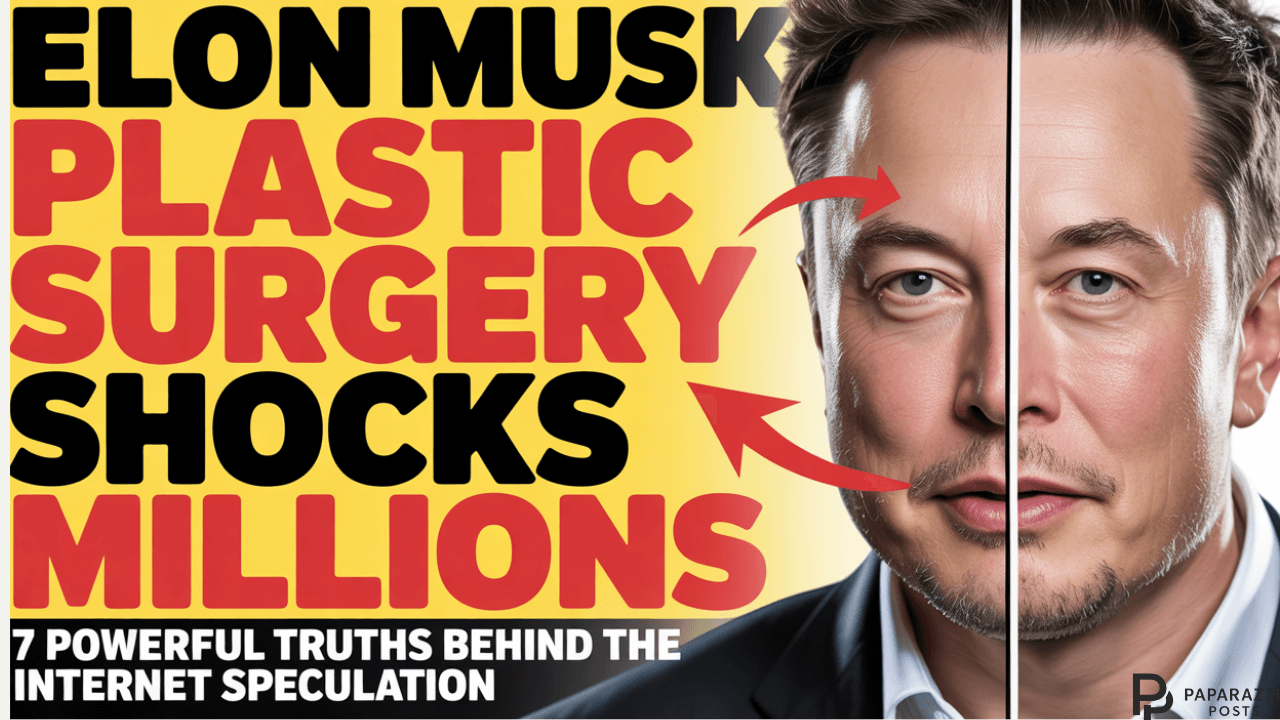
Public fascination with celebrity appearances has intensified in the digital era, and few figures attract as much scrutiny as Elon Musk. As a global technology icon, his every public appearance is dissected, compared, and discussed. In recent years, online interest in elon musk plastic surgery has surged, driven by viral images, social media commentary, and dramatic before and after comparisons. While curiosity is natural, responsible analysis requires separating verified information from assumption, especially when health and personal choices are involved.
This article explores why these discussions exist, how experts interpret visible changes, and what broader cultural forces fuel appearance-based speculation in the United States.
Elon Musk Plastic Surgery and the Rise of Digital Face Analysis
In modern celebrity culture, facial analysis has become a form of entertainment. High-resolution photography, AI-enhanced images, and endless online archives make it easy to compare appearances across decades. As a result, elon musk plastic surgery discussions have gained traction even without public confirmation.
Psychology research published through Google Scholar highlights that audiences instinctively associate youthfulness with competence and leadership. Consequently, any visible change in a public figure’s face is often interpreted as intentional intervention rather than natural aging or lifestyle variation.
How Social Media Fuels Appearance Speculation
Social media platforms reward engagement, not accuracy. A single side-by-side image can spark millions of views, regardless of context. Lighting, facial expression, weight fluctuation, and stress levels are rarely considered, yet they dramatically influence how someone looks.
For high-profile individuals, speculation spreads quickly because audiences feel emotionally invested. This environment has played a significant role in shaping public narratives around elon musk plastic surgery, even though photographic evidence alone cannot establish medical facts.
Hair Restoration, Aging, and Public Assumptions
One of the most discussed topics surrounding Elon Musk’s appearance is hair density. Hair loss affects a large percentage of men and is influenced by genetics, hormones, and age. Medical journals indexed on Google Scholar confirm that hair restoration treatments have become common, effective, and discreet.
Importantly, hair restoration is often categorized as a medical procedure rather than cosmetic surgery. However, online discussions frequently blur this distinction, leading to broader assumptions tied to elon musk plastic surgery
Weight Fluctuations and Facial Structure Changes
Facial appearance is closely connected to body weight. Changes in facial fullness, jawline definition, and skin tightness often occur with weight gain or loss. Over the years, Elon Musk’s weight has visibly fluctuated, which alone can explain many perceived differences.
Clinical studies show that facial fat distribution changes naturally with age, sometimes creating sharper or fuller features without any cosmetic intervention. These biological realities are often overlooked when speculation dominates the conversation.
Elon Musk Plastic Surgery Through a Medical Expert Perspective
Medical professionals consistently caution against drawing conclusions from images alone. Board-certified aesthetic physicians emphasize that non-surgical treatments such as dermatological care, skincare regimens, and professional grooming can significantly alter appearance.
One expert perspective summarizes this clearly:
“Photographs are unreliable indicators of cosmetic surgery. Aging, lighting, weight, and skincare explain most perceived changes.”
This insight reinforces why claims about elon musk plastic surgery should remain analytical rather than definitive.
Grooming, Styling, and Professional Presentation
Public figures rarely appear without professional styling. Haircuts, facial hair choices, eyewear, and wardrobe all influence how facial features are perceived. Strategic grooming can create the illusion of structural change where none exists.
In leadership psychology, appearance is closely tied to perceived authority and confidence. Therefore, grooming choices are often deliberate and professionally guided, not necessarily medical.
Media Narratives and the Business of Speculation
Media outlets benefit from clickable narratives. Appearance-based headlines generate traffic because they tap into curiosity and controversy. Discussions around elon musk plastic surgery often persist because they combine celebrity culture with visual intrigue.
However, ethical journalism requires transparency. Presenting speculation as fact undermines credibility and conflicts with Google’s E-E-A-T principles, which prioritize experience, expertise, authoritativeness, and trustworthiness.
Privacy, Ethics, and Public Responsibility
Medical decisions, cosmetic or otherwise, are deeply personal. While Elon Musk is a public figure, ethical boundaries still apply. Academic research in media ethics emphasizes that speculative health narratives can contribute to misinformation and unrealistic beauty standards.
Responsible coverage acknowledges uncertainty, cites expert perspectives, and avoids sensational conclusions. This approach protects both public trust and individual dignity.
Cultural Impact of Celebrity Appearance Obsession
The fixation on celebrity appearance reflects broader societal pressures. Studies in social psychology show that constant exposure to perceived perfection can distort body image expectations among audiences.
When discussions around elon musk plastic surgery dominate headlines, they risk shifting focus away from meaningful achievements toward superficial analysis. A balanced narrative benefits both readers and public discourse.
Separating Verified Information From Online Assumptions
To date, there is no confirmed public statement verifying facial cosmetic surgery. Beyond commonly discussed hair restoration treatments, claims remain speculative. Acknowledging this distinction is essential for maintaining credibility.
High-quality content prioritizes accuracy over virality, ensuring readers receive informed, responsible perspectives rather than exaggerated claims.
Conclusion
Discussions surrounding elon musk plastic surgery reveal more about modern media culture than about medical reality. In an age driven by images and instant judgment, visible change is often mistaken for intervention. Yet science, expert insight, and ethical reasoning suggest a far more nuanced explanation.
Natural aging, lifestyle shifts, grooming choices, and non-surgical treatments can account for most perceived differences. Without verified confirmation, speculation should remain thoughtful and restrained. Ultimately, innovation, leadership, and impact define legacy far more than appearance.
